)
)
A Once‑in‑a‑Generation Moment for Architects
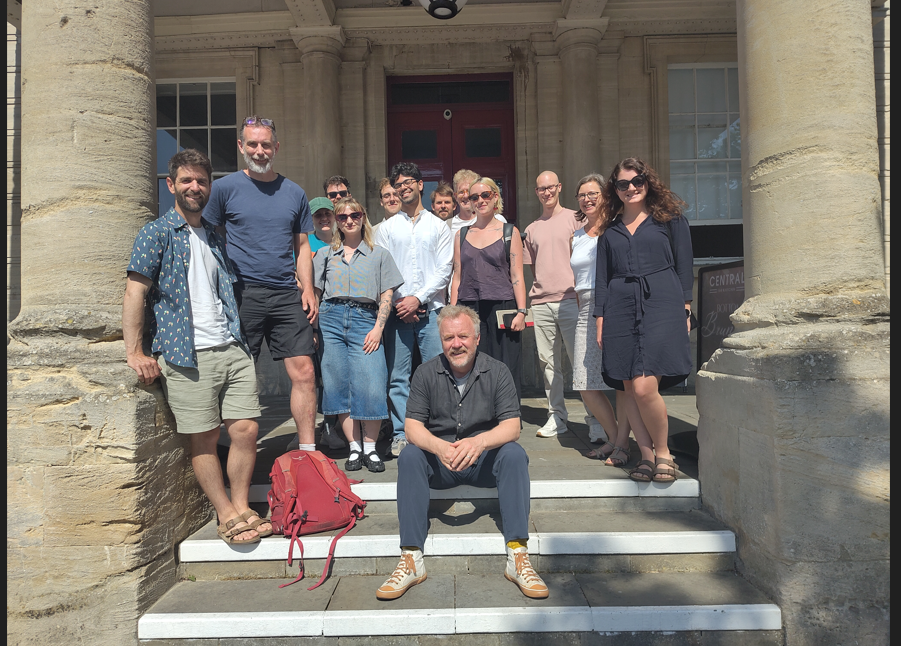
Both Architecture practice and academia are undergoing simultaneous transformation at a pace I have not witnessed in over 40 years in the industry. This is not incremental change; it is structural. Together, these shifts present a once‑in‑a‑generation opportunity to reshape architecture into a profession that is more accessible, vital, affordable, regionally representative, globally connected, and properly supported.
Yet while our collective ambitions are clear—fair pay, professional stability, dignity at work, stronger workers’ rights, and meaningful lifelong learning—the lived reality for many architects tells a different story. Across the UK, particularly outside London, practitioners continue to navigate unpredictable workloads, low fees, and rising professional indemnity insurance costs. Many feel removed from where decisions are made, disconnected from the structures that shape their professional lives.
For early‑career architects, the situation can be even more acute. High levels of student debt, low starting salaries, and a culture that too often normalises unpaid overtime create significant barriers to entry and progression. Practices themselves, especially small and medium‑sized ones, find themselves under relentless pressure to underbid (often against consultants not qualified as architects because our function is not regulated yet – more of that in a moment) simply to secure work, further compounding the challenges faced by those they employ. This is not a sustainable model for a profession that carries increasing levels of responsibility, risk, and accountability.
And yet, despite these pressures, architecture remains a profoundly rewarding vocation. It is a discipline capable of delivering social value, environmental transformation, and lasting public benefit. It can still be joyful. The question we must ask ourselves is whether we can align the reality of practice with the values we so often say we uphold.
I believe we can—but only if we act collectively and strategically. That belief is why I have decided to stand for RIBA President (voting is open until 26th June).
My perspective is grounded in lived experience across the breadth of the profession. As a regional small‑practice director, I understand first‑hand the pressures facing those outside major metropolitan centres. As the M.Arch Architecture Course Lead at the University of Brighton, I work closely with students navigating an increasingly complex and often costly route into the profession. As an author (‘The Re-Use Atlas, RIBA, 2025) and a regular RIBA representative at UN COP summits, I also engage with the global policy frameworks shaping the future of our built environment.
I am also one of the few UK architects to have successfully negotiated directly with central government on behalf of the RIBA. My work lobbying for a reduction in VAT on residential retrofit, alongside stronger sustainability and circular‑economy policies, demonstrates that architects can influence policy in ways that deliver tangible results. These are not abstract victories; they have the potential to unlock new areas of work for architects while simultaneously reducing our environmental impact.
I strongly support the efforts of the current RIBA President, Chris Williamson, particularly his work to reform the Architects Act, reinstate T7 apprenticeships, and strengthen the professional voice of architects. However, my presidency would bring a different emphasis: one that is more regionally grounded, more focused on the realities of practice, and more attuned to the needs of the majority of members who do not work in large London‑based firms. It would also place greater emphasis on the role of our international chapters, whose contribution to the RIBA’s global relevance is both significant and under‑recognised.
At the heart of my approach are five priorities.
First, supporting practices across the UK and beyond.
The majority of RIBA members work in small (five or less people) practices, often balancing professional risk with caring responsibilities and other personal commitments. The profession must do more to support them, including addressing the persistent challenges faced by women in practice. This means campaigning for more affordable access to essential tools such as the NBS (or similar) Specification Writer, pressing for fairer and affordable professional indemnity insurance, and ensuring accessible routes into key professional registers. It also means strengthening regional networks, decentralising national events and shining a bright light on regional chapters and the excellent, but often over-looked work they are doing with local communities and schools of architecture. It also means ensuring that international chapters are fully supported and integrated into the Institute’s future.
Second, creating a modern, inclusive, and accessible education system.
The traditional full‑time, high‑cost route into architecture is no longer viable for many aspiring practitioners. Students are increasingly working while studying, pursuing part‑time pathways, or seeking alternatives altogether. As someone embedded in a regional school of architecture, I see these pressures daily. In addition, with the ARB abolishing RIBA Part I we (the whole architecture teaching profession) have an opportunity to respond positively by engaging with students properly to ensure that the new (probably) four year ‘integrated masters’ courses being designed by all schools of architecture provide stimulating and appropriate education to ensure students are best prepared for a rapidly changing working environment. Schools of Architecture will need to ensure that both academic and practice‑linked routes are both rigorous and fair, and that students have a genuine voice in shaping the system that will define their professional lives.
Third, reasserting the value of architects.
The proposed Single Construction Regulator represents one of the most significant shifts in our regulatory landscape in decades. It offers an opportunity to clearly define—and defend—the professional function of architects in the public interest. This is not about protectionism; it is about clarity, competence, and accountability. The RIBA must communicate the value of architects more confidently, focusing on what we do and the outcomes we deliver. It is my sincere belief that if some or all of the function of an Architect is regulated, then the community of fully qualified Chartered Architects will have the opportunity to bid for more work which will make for a healthier and more buoyant regulated industry. Our of this will come a greater sense of identity, idea of what we do and our worth – all things that are to say the least a bit vague at the moment when anybody, whatever their training, can practice as an Architect simply by not using the title Architect.
Fourth, unlocking new work through low‑carbon retrofit, new build social housing transformation, and safety reform.
The UK’s existing building stock represents an enormous opportunity—not only in terms of climate action but also economic resilience and social value. Architects should be at the forefront of this work, leading rather than reacting. My experience in lobbying for policy change in this area demonstrates what is possible when the profession engages proactively with government.
Finally, strengthening the RIBA’s capacity for effective lobbying.
Architects already understand what a healthy, safe, and low‑carbon-built environment should look like. What is often missing is the legislative and regulatory framework to support its delivery. As the Architects Act evolves and new regulatory bodies emerge, the RIBA must become a more confident, technically informed, and strategically engaged voice. This includes rebuilding a constructive relationship with the ARB while maintaining clarity of roles and a shared commitment to public protection.
This is our moment. Periods of disruption are not simply moments of risk; they are moments of possibility. We have an opportunity to build a profession that is fairer, more resilient, and better equipped to serve both society and those who practise within it. But change will not happen by default. It will require leadership, collaboration, and a willingness to act with clarity and purpose.
The RIBA is not just for architecture—it is for architects. And if we are prepared to act together, we can ensure that this moment of disruption becomes a defining moment of renewal.
View Duncan's RIBA Election Presidential Page and follow Duncan and BakerBrown Studio on Instagram and Duncan on LinkedIn #DBB4RIBAPresident26