)
)
Resident engagement in retrofit; the secret to long term low carbon success
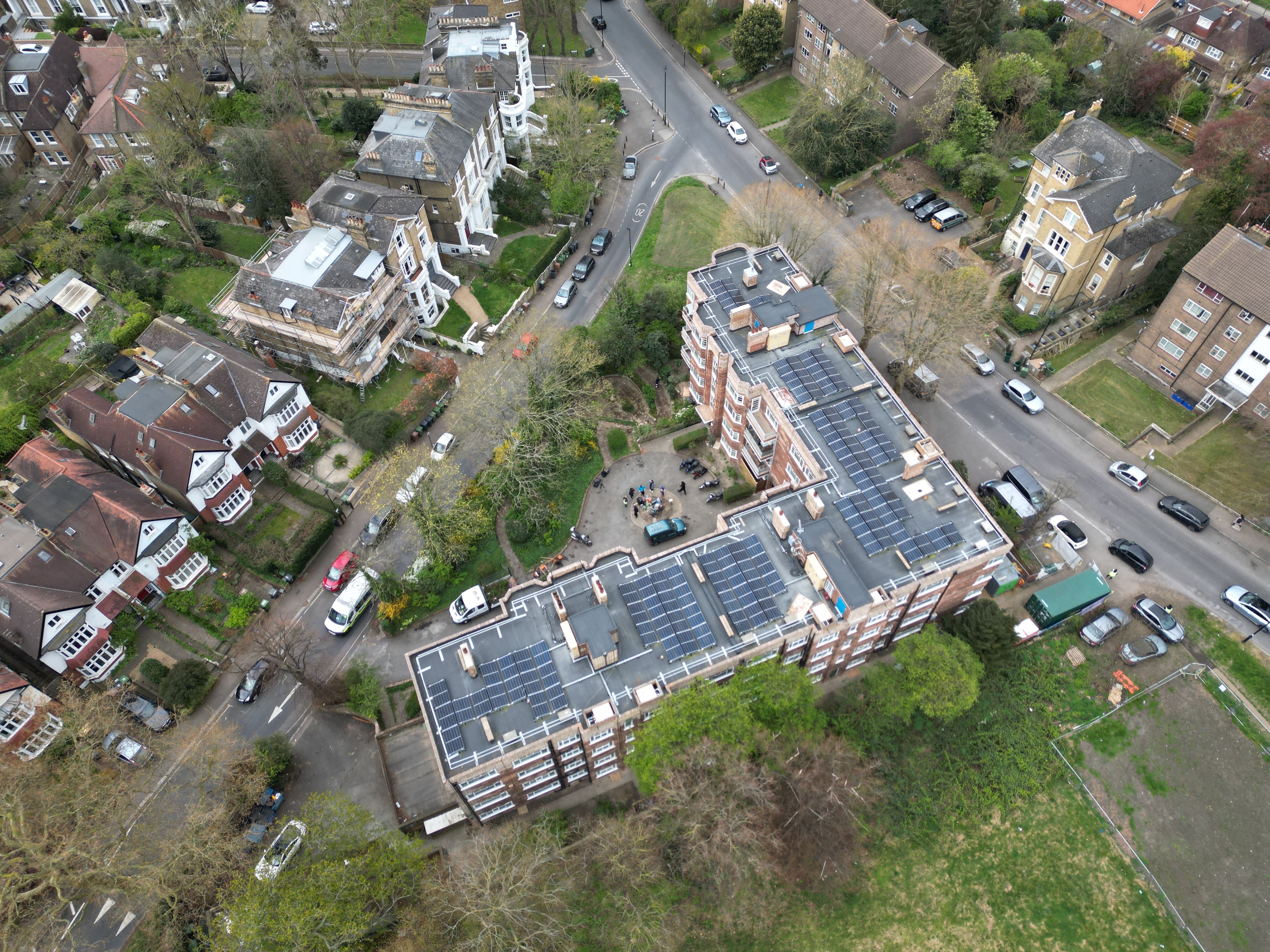
There's a moment that doesn't get talked about enough in retrofit; when the installer’s van pulls away and a resident is left alone with a heat pump or ventilation system they've never seen before, and no idea what any of it means for how they heat their home, or their future energy bills.
That moment can define whether a retrofit project is a success or a failure. Recognising this, and embedding resident engagement from the very start of a project through to handover, is one of the most important things we as a retrofit sector can focus on right now.
The ambition driving the UK's retrofit agenda is genuinely exciting. Millions of pounds flowing through programmes like the Warm Homes schemes leading to hundreds of thousands of homes being upgraded to become warmer, cheaper to run and less impactful in terms of emissions.
Social housing providers and their supply chains are at the centre of all of it; managing complex projects, navigating PAS 2035 compliance, balancing the needs of residents against tight delivery timescales.
You can install the most sophisticated low-carbon heating system on the market, wrap a property in the best available insulation, fit solar panels to the roof, but if the person living there doesn't understand how to use any of it, you may have just moved the problem onto the resident themselves.
The gap between installation and understanding
Think about what it actually means to change someone's heating system. For many residents, particularly older tenants, or those who've lived in the same property for decades, their existing system, however inefficient, is deeply familiar. They know instinctively when to turn it up, when to leave it alone, what a normal bill looks like. A heat pump operates on entirely different principles: lower flow temperatures, more consistent output, a logic that rewards steady background warmth rather than blasting the radiators for an hour in the evening. That's not a small adjustment. For some people, it's a fundamental shift in how they think about heating their home.
Without proper guidance, residents will often default to what they know; turning up the thermostat, overriding controls, trying to recreate the familiar patterns of their old system. The result? Higher energy bills than expected. Homes that don't perform as modelled. Residents who feel, with some justification, that they've been left worse off than before. And once that narrative takes hold between friends and neighbours, it spreads quickly. The reputational damage to future retrofit programmes can be significant and long-lasting.
More than good practice — it's the rules
It's worth being clear that resident handover isn't just a nice-to-have. For any project receiving government funding like the Warm Homes grants, PAS 2035 sets out specific requirements that must be met. The retrofit coordinator is responsible for conducting a visual inspection of all installed measures, verifying that residents can actually operate their new equipment effectively, and ensuring a full documentation package is handed over. Installers, meanwhile, must provide clear information on the care, maintenance and safe operation of every measure installed, alongside guidance on ventilation.
What good looks like
Delivering a genuinely effective handover doesn’t have to be complicated. But it does require intention, built into a project from the outset.
The gold standard is a home visit, carried out by someone who knows the technology and knows how to talk to people. It’s important that these ‘walk-throughs’ are not a rushed after thought during pack-up, but a proper conversation, and one that starts by listening. When does this resident need the heating on? Are there rooms they prefer cooler? What are their working hours? The answers shape everything that follows, from how controls are set to what a sensible routine looks like for that household.
Another important principle to keep in mind is ‘show don’t tell’. Walk around the property together. Demonstrate the controls. Match what you're saying to the written information you're leaving behind, so residents can follow up in their own time. And always check if people understand everything before you leave. Make sure they have a direct number to call if something doesn't feel right.
Developing clear, accessible written follow-up materials is really important too. These shouldn’t be technical documents in disguise; aim for a one or two page summary that uses clear language and images. Think too about the languages that you make written materials available in, and whether alternative formats for anyone with visual or hearing impairments might be needed.
For technologies that need extra care (like heat pumps or solar panels), one handover visit might not be enough. A follow-up call or visit a few months in can catch problems early and build resident confidence in their new systems.. And when new residents move into a retrofitted property, they need the same introduction as the original occupants.
Retrofit is a relationship, not a transaction
Retrofit, at its best, is something that happens with residents rather than to them. The handover can determine whether all the technical work either starts delivering on its promise — warmer homes, lower bills, better health outcomes — or quietly fails.
Social housing providers are uniquely well-placed here. They have existing relationships with residents, as well as the customer service and resident liaison teams who understand the community. They also have the infrastructure to follow up, to support, to respond when something goes wrong. That's an enormous asset — and one that can ensure retrofit projects can reach their full potential.