
The Future is Live Data
Opinion Piece The Future is Live Data The UK is urgently addressing health and climate issues with its housing stock with the imminent Warm Homes

Residents spend up to 90% of their time indoors and the GHA believes more needs to be done to ensure that conditions inside do not cause negative health outcomes.
We have pioneered understanding and delivery techniques for better quality in new housing for nearly 20 years and our purpose is ever more relevant – to meet the challenge of net-zero development which also addresses health, wellbeing and low running costs.
Environmentally, we want to see homes that minimise operational energy and water demand, and perform in use as intended. Plus homes that minimise whole life carbon through their product selection and construction processes. Whilst this is good for the planet it is also good for people – creating healthy, adaptive homes with excellent indoor air quality, comfort and space.
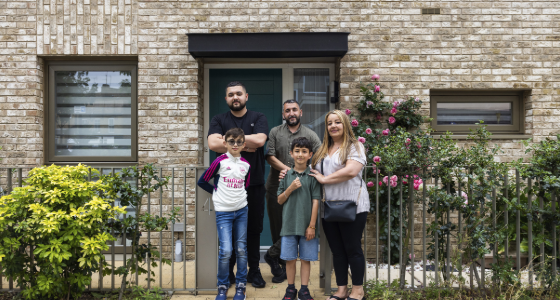
I live in a home that is 11 years old – a year younger than my eldest child. We moved in as a couple with a baby – the first tenants to this EPC rated B shared ownership home. At the time we knew we got lucky on the affordability and space side. But looking back now – my daughter with asthma and multiple allergies – we may have also got lucky from a health perspective. I am keen, as long as many Futurebuild readers will be, to see that ‘build baby build’ means also to care for quality new build and repair measures to create good homes.
At a recent APPG on the topic of investing in healthy homes, on the day of Awaab’s Law coming into force, a panel of speakers and attendees discussed this topic. It is known that low quality and unhealthy homes have a negative impact on the nation’s health and wellbeing. Therefore the APPG session was designed, ‘to demonstrate how healthy homes and buildings deliver economic growth, savings for the NHS, and a more sustainable future.’ Waiting on government budget announcements and actions is the next step but the cost savings are apparent.
The APPG’s Missions Paper states that investment in healthy homes and buildings could
save the NHS an estimated £600 million annually, with poor housing costing the NHS £1.4 billion each year. Public Health Wales presented to the APPG audience – and demonstrated savings and impact on people’s lives through their Warm Homes investment and Well-being and Future Generations Act. I would like to see the drive now – budgets, standards and policies – to see more of this across the UK.
There are lessons to be learned, and pockets of good practice and data. With more building performance data, and a network of good homes experts, I believe we can ensure that healthy homes become the norm and part of what makes good homes for all. I don’t just want to be lucky with where I live – I want to know that all families have a good base setting for their lives to unfold.
Find out more about our work at: https://goodhomes.org.uk.
Credit: Tom Bright
Dover Court, RIBA Neave Brown Award finalist 2024
Architect: Pollard Thomas Edwards
Photo credit: Jannine Newman

Opinion Piece The Future is Live Data The UK is urgently addressing health and climate issues with its housing stock with the imminent Warm Homes
In a landmark move for the UK construction sector, UK Construction Week London and Futurebuild will come together from 12–14 May 2026, creating a new
Opinion Piece The numbers don’t lie: Why the built environment must act now In 2021 the UK Green Building Council published its Roadmap to Zero